
Why Spray Foam?
Spray foam is not only about what fills the cavity. It is also about how heat, air and moisture move through a Central Florida building.
Insulation Is Part of a Bigger System
Your roof, attic, walls, windows, doors and ducts work together as the boundary between indoor conditions and the outdoor environment.
Traditional insulation primarily slows heat transfer. Spray foam can also help control unwanted air movement when installed as part of an appropriate assembly.
The Air-Sealing Difference
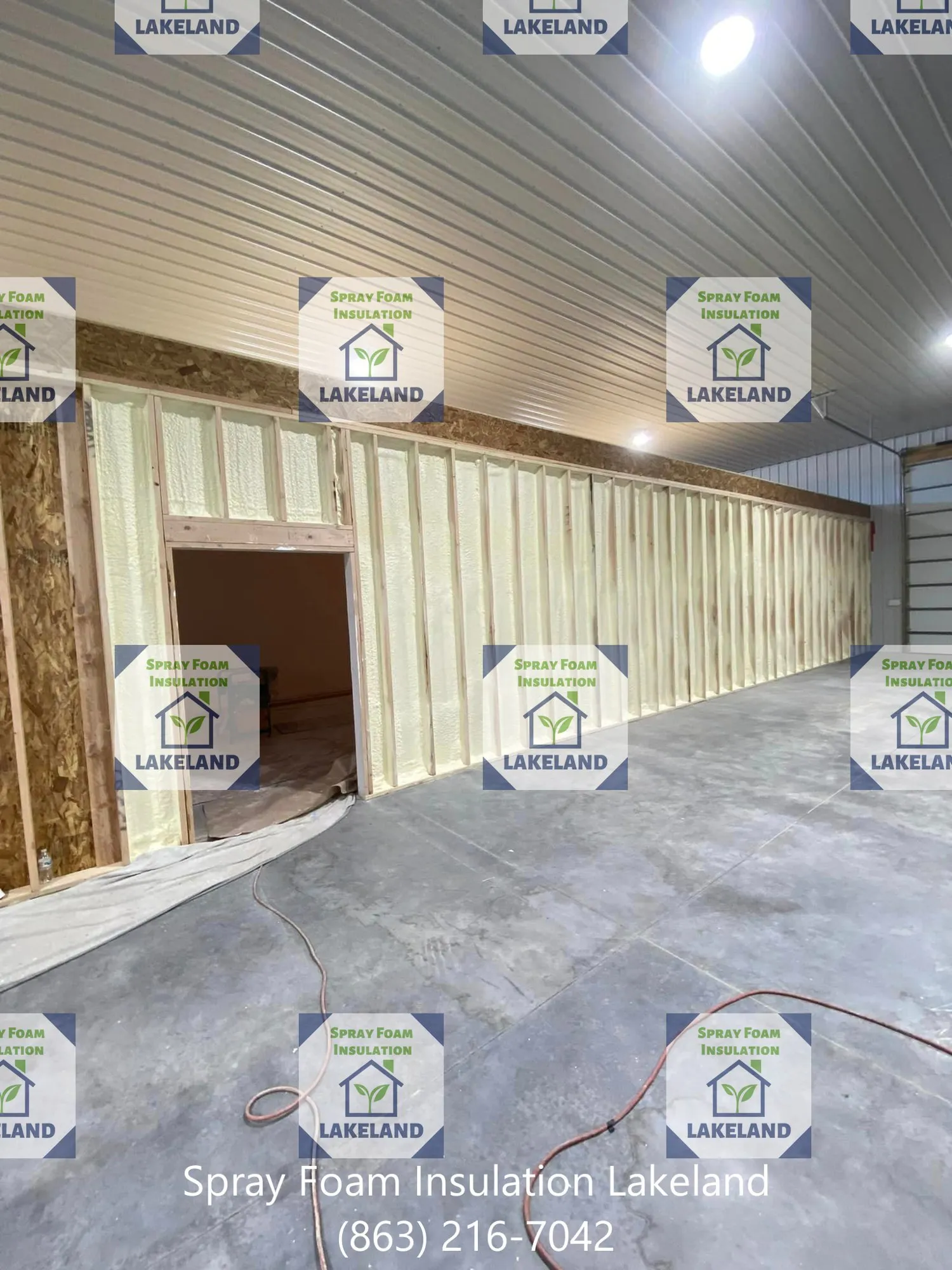
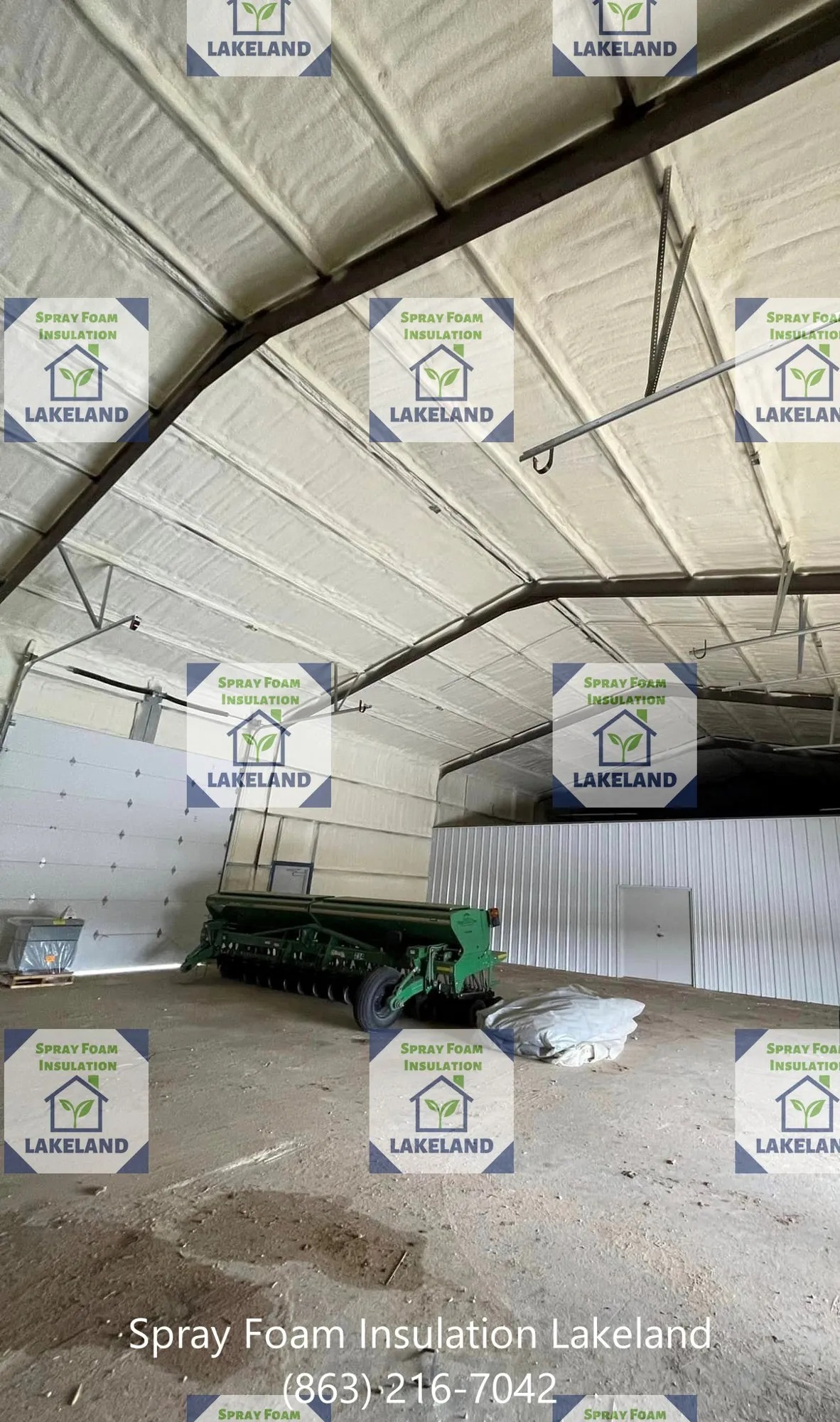
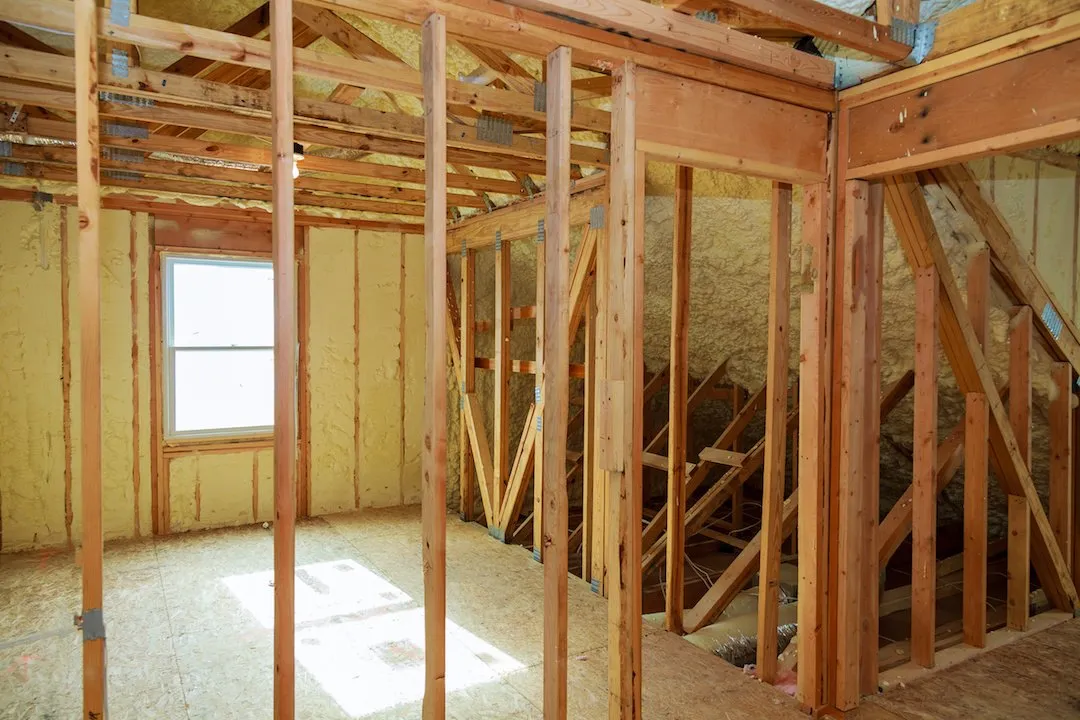
Spray foam expands during installation, allowing it to fill irregular spaces. That can matter in attics, roof deck areas, wall cavities, additions and commercial spaces.
Spray Foam Is Not a One-Size-Fits-All Decision
Spray Foam
- Insulation plus air-sealing capability
- Expands into irregular spaces
- Professional installation required
Fiberglass and Blown-In
- Common attic and wall options
- Primarily thermal insulation
- Air sealing may need separate measures
Radiant Barrier
- A reflective strategy, not the same as foam
- Often compared with attic insulation options
- May not fit every assembly
Heat, Humidity and Storm Season Matter
In Lakeland, a good insulation conversation needs to include humid air, cooling load, roof and attic exposure, and storm-season moisture concerns. Exact savings and temperature changes are not promised here because those depend on the building.
The most useful next step is a property-specific estimate, especially if you are deciding between the attic insulation page, spray foam service and the Mulberry insulation page.
Spray Foam Decision FAQ
Is spray foam always the right insulation?
No. Spray foam can be a strong fit, but the answer depends on the building, access, existing insulation and moisture strategy.
Why does air sealing matter?
Uncontrolled air movement can make cooling and humidity control harder. Spray foam can help create an air-control layer where properly applied.
What is the difference between open-cell and closed-cell?
They differ in density and behavior. The right choice depends on the assembly and project goal.
Can traditional insulation still make sense?
Yes. Fiberglass, blown-in insulation and radiant barrier options can be part of the comparison for some properties.
You Do Not Have to Figure It Out Alone
Call with the property type and what you are trying to improve.